
Ceramic coatings have become a preferred solution for car enthusiasts and professionals alike, offering unmatched paint protection, gloss enhancement, and long-lasting durability. Products like Diamond Glazed Ceramic Coating, trusted by ceramic coating manufacturers and suppliers, exemplify the versatility and efficiency of today’s ceramic coating technology. However, achieving optimal results depends heavily on proper application techniques. This guide highlights the best practices for installing a ceramic coating on your vehicle, ensuring professional-quality protection and finish.
Table of contents:
Surface Preparation: Importance of Thorough Cleaning and Decontamination
Application Methods: Choosing Between DIY and Professional Services
Curing Processes: Ensuring Optimal Bonding and Durability
Common Mistakes to Avoid: Tips for a Flawless Finish
The foundation of a successful ceramic coating application is a properly prepared surface. Before you begin, ensure the car's paint is meticulously cleaned and decontaminated. Start by washing the vehicle thoroughly using a high-quality car wash shampoo or soap to remove dirt and debris. Next, use a clay bar to eliminate embedded contaminants that regular washing cannot address, such as tar or industrial fallout. Polishing the paint is essential for correcting scratches, swirl marks, and oxidation, as these imperfections will be sealed under the coating if not removed. Finally, degrease the cleaned and polished surface with a suitable degreaser to eliminate any remaining oils, polishing residues, or water from hidden areas that could interfere with the coating's bond. The cleaner and smoother the surface, the better the ceramic coating will adhere, maximizing the durability and protective benefits.
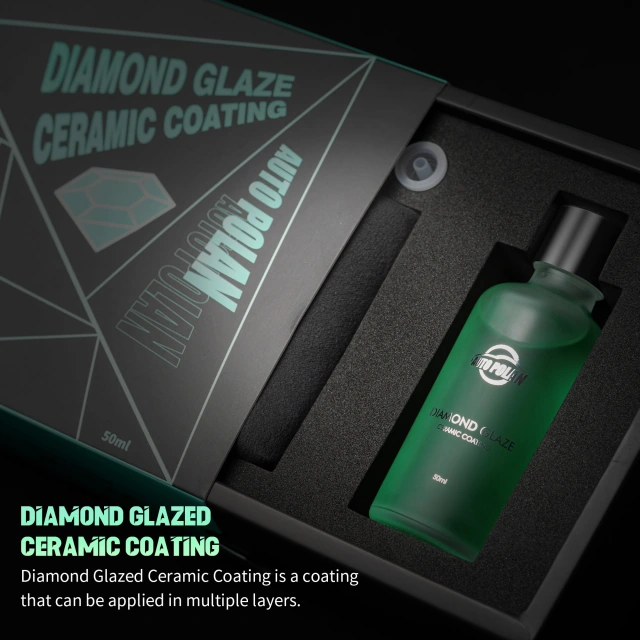
Deciding whether to apply the ceramic coating yourself or hire a professional boils down to your skill level, available time, and desired outcomes. DIY ceramic coating kits, such as Diamond Glazed Ceramic Coating, have simplified the process with easy-to-follow instructions and user-friendly applicators included in the package. Applying the coating involves evenly spreading small amounts onto the vehicle’s surface in straight lines, ensuring full coverage. However, DIY installation requires patience, precision, and the ability to work on small sections at a time (typically 3'x3' areas). For those unfamiliar with the process or aiming for a flawless, highly polished finish, professional services are a valuable option. Certified detailers have advanced tools, expertise, and facilities to handle intricate details like temperature control for optimal adhesion. Whichever route you choose, premium products recommended by trusted ceramic coating suppliers are key to attaining the best results.
After applying the ceramic coating, curing is a critical step to ensure the coating bonds effectively to the surface and achieves long-term durability. Allow the coating to surface-dry, which is indicated by a "rainbow effect" that fades into a haze after a couple of minutes. Use a microfiber towel to remove any residue in small circular motions, keeping pressure light and consistent. For optimal results, avoid exposing the freshly coated car to water for at least 48 hours, as the coating cures and hardens over time. Additionally, the coating continues to strengthen for up to five days, so limiting exposure to extreme weather conditions or harsh chemicals during this period is crucial. Some ceramic coatings, like Diamond Glazed Ceramic Coating, deliver exceptional hydrophobic protection, gloss, and scratch resistance when allowed to cure properly, guaranteeing performance for over four years.
Even with high-quality ceramic coatings, common application mistakes can hinder the final results. Avoid applying the ceramic coating on a dirty or wet surface, as contaminants and moisture interfere with the bonding process. Ensure proper temperature and humidity levels; ceramic coatings perform best when applied in temperature ranges between 15-30°C. Working in small sections is also important, as tackling large areas increases the chances of uneven application or residue hardening too quickly. Neglecting to remove residue thoroughly and evenly can lead to unsightly streaks or streaking. Lastly, rushing through the process of layering without allowing sufficient curing time can compromise durability and protection. Being patient and following the manufacturer’s instructions will help you avoid costly errors, delivering a flawless finish every time.
Ceramic coatings are a game-changer for car owners looking to protect and enhance their vehicles’ appearance. From thorough surface preparation to precise application methods and careful curing processes, each step plays a critical role in achieving professional-quality results. By avoiding common mistakes and using trusted products from leading ceramic coating manufacturers and suppliers like Diamond Glazed Ceramic Coating, you can enjoy long-lasting protection, exceptional gloss, and impressively hydrophobic surfaces. Whether you’re a DIY enthusiast or seeking professional services, a meticulous approach is your key to success.


